.jpg)
.jpg)
.jpg)
Inscriete la noutatile noastre

Livrăm gratuit în raza municipiului Chișinău comenzile ce depășesc valoarea de 500 lei.
27 Oct 2020
Recomandări terapeutice pentru traumatisme cerebrale
Richard A. LeCouteur
Definitions
Hemorrhage: escape of blood from vessels, either externally or internally.
Contusion: a bruising of the brain with infarction of brain parenchyma and extravasation of blood but without rupture of the pia-arachnoid; healing results in a superficial depressed sclerotic area, possibly with incorporated meninges.
Concussion: a clinical syndrome characterized by immediate and transient alteration in brain function, including alteration of mental status and level of consciousness, resulting from mechanical force or trauma.
Compression: any abnormal condition resulting from hemorrhage, abscess, or tumor that increases intracranial pressure.
Laceration: tearing of brain tissue.
Diffuse axonal injury: a type of brain injury caused by shearing forces that occur between different parts of the brain as a result of rotational acceleration.
Pathophysiology
Primary or biomechanical injury is the injury to the brain tissue from direct trauma and the forces applied to the brain at impact.
An impact to the skull can exert acceleration, deceleration, and rotational forces on the brain.
The brain is unable to tolerate these forces because of its composition and lack of internal support; the superficial gray matter is most susceptible to acceleration forces.
Penetrating injuries can cause direct damage to the brain parenchyma, fractures, and hemorrhage.
Skull fractures
Skull fractures are described based on pattern (depressed, comminuted, linear), location, and type (open versus closed).
A depressed fracture is one where the inner shelf of bone is driven into the brain to a depth equivalent to the width of the skull; it is most common in the dorsal and lateral aspects of the skull.
Fractures may also occur at the base of the skull, middle ear, and temporomandibular joint; however, fractures in these locations are difficult to evaluate.
Bullae fractures can result in neurologic signs such as vestibular syndrome, facial paresis/paralysis, and Horner syndrome.
Fractures of the temporomandibular joint, mandible, and zygomatic arch may require additional treatment, but are unlikely to cause neurologic signs alone.
Brain hemorrhage
Epidural: accumulation of blood in the epidural space, caused by damage to and leakage of blood from meningeal vessels, producing compression of the dura mater and the brain.
Unless evacuated, it may result in herniation through the tentorium and death.
Subdural: subdural hematoma is a collection of blood in the space between the outer layer (dura) and the meninges.
Intraventricular: extravasation of blood into the ventricular system of the brain.
Intraparenchymal: the escape of blood within brain tissue due to the loss of integrity of vascular channels; frequently leads to formation of a hematoma.
Secondary injury occurs following the impact; a cascade of biochemical events occurs, which can cause continued and progressive brain pathology.
The presence of hematomas and edema from the primary injury distort normal brain parenchyma and decrease cerebral blood flow.
The secondary brain injury has a significant effect on outcome and can lead to continued death of neurons and glial cells.
The primary mediators involved in secondary brain injury include oxygen free radicals, excitatory amino acids (e.g., glutamate), and nitric oxide.
This process results in a self-perpetuating cycle leading to ischemia, infarction, brain edema, and subsequent increases in intracranial pressure (ICP).
Brain edema
This can occur following the primary brain injury and can continue to develop as the secondary brain injury progresses.
Typically, brain edema is most severe 24 to 48 hours after injury.
Vasogenic edema occurs secondary to failure of the blood-brain barrier and vasodilation.
Cytotoxic edema occurs secondary to failure of cellular ion pumps and damage to cellular membranes.
Intracranial pressure (ICP)
There are three primary components to the cranial vault: brain parenchyma (80%), cerebrospinal fluid (CSF) (10%), and blood (10%).
The volume of the intracranial skull contents may increase due to hemorrhage, edema, CSF accumulation, or fracture fragments.
Shunting CSF out of the foramen magnum, decreasing CSF production, and increasing CSF absorption can rapidly decrease the CSF compartment.
Subsequently, small increases in volume will result in dramatic ICP elevations, which can be accompanied by a rapid decline in the patient’s neurologic status.
Following injury, cerebral blood flow (CBF) is often markedly decreased due to associated elevations of ICP.
The presence of hypotension further reduces cerebral blood flow.
Decreased cerebral blood flow can lead to brain ischemia.
Clinical signs
The ability to recognize signs consistent with increased ICP or a decline in neurologic status is critical in the management of dogs and cats following head trauma.
Systemic injuries and shock will cause continued decline in the head trauma patient.
A complete systemic evaluation and stabilization is required.
Systemic assessment
Initial assessment should involve evaluation of the patient’s respiratory and cardiovascular system.
An airway must be established if necessary.
Auscultation of the thorax may detect pulmonary pathology or cardiac arrhythmias.
Oxygen support should be administered as necessary, and mechanical or manual ventilation may be required with severe pulmonary injuries.
The cardiovascular system should be evaluated by monitoring heart rate, blood pressure, and electrocardiography.
An electrocardiogram may show cardiac arrhythmias secondary to traumatic myocarditis, systemic shock, or brain injury.
Arterial blood analysis and measurement of lactate concentration may provide additional information regarding systemic perfusion and respiratory function.
Temperature assessment is important in all patients.
Cerebral metabolic rate is proportional to body temperature and increases 5 to 7% per degree Celsius.
After the patient is stable, thoracic and abdominal radiographs are recommended to evaluate for pulmonary contusions, pneumothorax, and abdominal injuries.
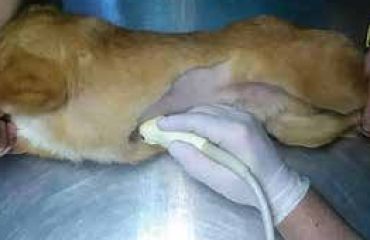
The abdomen should be evaluated through radiography and ultrasonography for the presence of free fluid, blood, or urine, which may require additional therapy.
Radiographs of the cervical vertebrae should also be considered as head trauma can often be accompanied by fractures and luxations of these bones.
Neurological assessmentAssessment of neurologic status in a patient after head trauma should initially be performed every 30 to 60 minutes for 2 to 3 hours, if possible.
This time period is critical, but it can be demanding on staff resources.
If response to treatment is noted or the patient is stable, monitoring can become less intensive (i.e., every 3-4 hours).
Frequent assessment allows for monitoring efficacy of treatment and early recognition of a deteriorating status.
Primarily, neurologic evaluation can determine whether there are neurologic deficits that are suggestive of structural neurologic lesions.
The assessment should include evaluation of state of consciousness, motor function and reflexes, pupil size and responsiveness, position and movement of the eyes, and breathing pattern.
Diagnosis
Imaging
Skull radiography may reveal calvarial fractures, but it provides no information regarding the brain parenchyma.
Radiographs of the skull can be difficult to interpret due to the irregularity of the skull bones, and may require anesthesia for accurate positioning.
Anesthesia may be contraindicated in the acutely injured patient.
Radiographs of the vertebral column, thorax, and abdomen are indicated to evaluate for evidence of other injuries.
CT scans allow superior evaluation of bony structures and are preferred over conventional radiography.
These can also be used to diagnose intracranial hemorrhage, alterations in ventricular size or shape, midline shift of the falx cerebri, and edema.
CT does not provide good detail of the brain parenchyma, but it is frequently the preferred modality for evaluation of human head trauma patients for surgical intervention because of the speed of image acquisition.
MRI can detect more subtle parenchymal changes that may be missed on a CT scan.
Hematomas or hemorrhage, parenchymal contusions, and edema are readily apparent on MRI images.
Typically, CT and MRI are only pursued in patients who fail to respond to aggressive medical therapy or patients who deteriorate and may require surgical intervention.
Treatment
Medical
Treatment of head trauma is proposed in a progressive tiered system based on the severity of injury and the success of the initial therapy.
Tier 1 treatments are administered to all patients.
Tier 2 treatments are administered to all patients with a failure of tier 1 treatment.
Tier 3 treatments are administered to all patients with failure of tier 2 treatments.
Treatment failure is indicated by progressive deterioration or lack of improvement above a MGCS of 6 to 8.
Some of the treatments discussed below have not been evaluated in veterinary medicine in terms of their efficacy, and may remain controversial or unproven in human head trauma.
Tier 1 Therapy
Fluid therapy
The goal of fluid therapy in patients with TBI is to restore a normovolemic state.
It is deleterious to dehydrate an animal in an attempt to reduce cerebral edema.
Aggressive fluid therapy and systemic monitoring are required to ensure normovolemia to maintain adequate CBF.
Crystalloid, hypertonic, and colloid fluids should be given concurrently to help restore and maintain blood volume following trauma.
The ideal fluid type to administer initially is controversial in human medicine and therefore is not known in veterinary medicine.
Crystalloids are usually given initially for the treatment of systemic shock.
These balanced electrolyte solutions may be given at shock doses (90 mL/kg for dogs, 60 mL/kg for cats).
Typically, it is recommended that the shock dose be given in fractions starting with one-third to one-fourth of the calculated volume, frequently reassessing the patient for normalization of mean arterial pressure and mentation.
Hypertonic saline improves cerebral perfusion pressure and blood flow by rapidly restoring intravascular blood volume.
The high sodium content of hypertonic saline draws fluid from the interstitial and intracellular spaces, subsequently reducing ICP.
There are also direct vasodilator and cardiac actions accounting for its clinical effects
Animal studies have demonstrated a survival benefit beyond the transient osmotic effects of hypertonic saline.
Basic science studies have confirmed that hypertonic saline has marked effects on the immune system.
Contraindications are limited to hypernatremia.
Hypertonic saline only remains within the vasculature for approximately one hour; therefore, it should be followed by colloids to maximize its effects.
7.5% NaCl at 5 to 6 mL/kg (dogs) and 2 to 4 mL/kg (cats) should be administered over 5 to 10 minutes.
Colloids allow for low volume fluid resuscitation, especially if total protein concentrations are below 50 g/L or 5 g/dL.
These fluids also draw fluid from the interstitial and intracellular spaces, but have the added benefit of staying within the intravascular space longer than crystalloids.
The use of colloids in head trauma is controversial in humans, and some institutions will reserve their use until after the effects of hypertonic saline have been evaluated.
Hetastarch is typically administered via 5 to 6 mL/kg bolus doses in dogs and 2 to 4 mL/kg in cats over 5 to 10 minutes.
A total dose of 20 mL/kg/day may be given.
A mean arterial pressure of 80 to 100 mm Hg should be the target.
Oxygen therapy and management of ventilation
Oxygen supplementation is recommended in all patients following head trauma.
The goal of oxygen therapy and management of ventilation is to maintain a partial pressure of oxygen in the arterial blood supply (PaO2) greater than or equal to 90 mm Hg and a PaCO2 below 35 to 40 mm Hg.
If the patient is able to ventilate spontaneously and effectively, supplemental oxygen should be delivered via ‘flow-by’; confinement within an oxygen cage prevents frequent monitoring.
Face masks and nasal catheters should be avoided if possible, as they can cause anxiety which may contribute to elevations of ICP.
Patients with severe head injury require mechanical ventilation to maintain arterial blood gas concentrations at optimal levels.
The absolute indications for mechanical ventilation include loss of consciousness, PaCO2 greater than 50 mm Hg, and decreasing SPO2 despite appropriate treatment.
Tier 2 Therapy
Osmotic diuretics
Intracranial pressure can be aggressively addressed with the administration of osmotic diuretics, such as mannitol.
Although contentious, there has been recent work that has suggested hypertonic saline should be considered the gold standard for the treatment of intracranial hypertension rather than mannitol.
Osmotic diuretics should not be administered to any patient without being certain that the patient has been volume resuscitated.
Mannitol improves cerebral blood flow and reduces intracranial pressure by decreasing edema.
Mannitol also acts through altering blood rheology; mannitol has been observed to produce rapid constriction of arterioles and venules on the surface of the brain.
This theory states that mannitol reduces blood viscosity, in part by increasing red cell deformability, which then raises cerebral blood flow and improves oxygen delivery.
This leads to a reflex vasoconstriction and a decrease in cerebral blood volume.
The effect appears to be independent of any changes in hematocrit due to hemodilution.
Mannitol (0.5 g/kg - 2 g/kg) should be administered via bolus over 15 minutes to optimize the plasma expanding effect.
Mannitol decreases brain edema 15 to 30 minutes after administration and has an effect for approximately 2 to 5 hours.
Tier 3 Therapy
Hyperventilation
Hypercapnia causes vasodilation and subsequent increases in intracranial pressure; therefore, hypoventilation should be avoided.
Mechanical or manual ventilation may be used to lower partial pressure of carbon dioxide in the arterial blood (PaCO2 <35 mmHg) to decrease ICP in deteriorating patients who do not have surgical lesions and are not responsive to prior treatment.
Surgery
Surgical intervention is reserved for patients who do not improve or who deteriorate despite aggressive medical therapy.
Surgery may be indicated to remove hematomas, relieve intracranial pressure, or address skull fractures.
Ventricular obliteration and mass effect identified on advanced imaging should be considered strong indicators for surgical treatment in any animal who is not responsive to medical therapy.
Typically, skull fractures do not require surgical intervention.
However, significantly contaminated, comminuted fractures may require surgical debridement.
In dogs, fractures of the frontal sinus may be associated with traumatic pneumocephalus.
Barbiturate coma
Although it is contentious in human head trauma patients, the use of barbiturates has been associated with a reduced cerebral metabolic rate and a reduced cerebral blood flow and volume.
Hypothermia
This is also contentious in human head trauma patients, but the use of hypothermia (reducing core body temperature to 30°-33°C) has been associated with a reduced cerebral metabolic rate similar to that seen with barbiturate coma.
Risks associated with this procedure include cardiac arrhythmias.

sursă : https://www.medichub.ro/reviste-de-specialitate/practica-veterinara-ro/recomandari-terapeutice-pentru-traumatisme-cerebrale-id-695-cmsid-69
Sep
05
Nefrolitiaza reprezintă o formă particulară de urolitiază, care poate evolua izolat sau asociată altor afecțiuni ale tractului urinar. Acest studiu a urmărit evaluarea aspectelor clinice, imagistice și terapeutice ale nefrolitiazei singulare la feline. Dintre cele 11 cazuri investigate, majoritatea pacienților au prezentat modificări clinice minime sau absente, diagnosticul fiind stabilit în principal prin examinare ultrasonografică. Opt cazuri (72,7%) au fost gestionate conservator, prin monitorizare clinică, imagistică și biochimică periodică, fără deteriorarea semnificativă a funcției renale. Trei pisici (27,3%) au necesitat nefrectomie, ca urmare a instalării sindromului de retenție azotată de gradul IV. Evoluția postoperatorie a fost favorabilă, cu ameliorarea parametrilor biochimici și stabilizarea funcției renale. Rezultatele obținute susțin faptul că majoritatea cazurilor de nefrolitiază singulară pot beneficia de management conservator, intervenția chirurgicală fiind rezervată cazurilor complicate, asociate cu afectare renală severă.
Aug
31
Ficatul reprezintă un organ vital pentru carnivorele domestice, având multiple funcții în cadrul organismului, prin intervenția în realizarea digestiei (secreția de bilă), înmagazinarea energiei sub formă de glicogen, filtrarea toxinelor de la nivelul circulației sanguine, sinteza de hormoni și proteine sau rol imunitar. Având în vedere capacitatea acestui organ de a se regenera, chiar și în condițiile unor leziuni extinse, semnele clinice manifestate de animale sunt deseori atipice sau apar în stadiile tardive ale evoluției diferitelor afecțiuni. Din aceste considerente, diagnosticul hepatopatiilor este adesea dificil de realizat și necesită o abordare integrată, care să includă date ale istoricului medical al pacientului, rezultatele examenului clinic, dar și o serie de investigații paraclinice – cum ar fi analizele de sânge (hematologie și biochimie), ecografie și radiografie abdominală, însoțite de puncție hepatică și examen citologic. Acest articol include patru cazuri ale unor pacienți (doi câini și două pisici) diagnosticați cu hepatopatii de etiologii diverse, în cadrul unui cabinet privat din București (Biji’s Animal Vet) în anul 2025, printr-un protocol de examinare care a inclus integrarea datelor rezultate din anamneză, examen clinic, analize de sânge, ecografie, radiografie și, pentru o parte din cazuri, examen citologic. Datele obținute au fost analizate și comparate cu cele furnizate de alte studii similare.
Aug
01
Babesioza canină reprezintă o boală hemoparazitară frecvent întâlnită în practica medical-veterinară, caracterizată printr-un tablou clinic variabil, determinat de interacțiunea dintre agentul etiologic, statusul imun al gazdei și factorii de mediu. Infecția cu Babesia spp. determină, în principal, hemoliză intra- și extravasculară, fiind asociată cu modificări hematologice și biochimice semnificative, care pot evolua de la forme subclinice până la sindroame severe, cu afectare multiorganică. Manifestările clinice sunt adesea nespecifice și includ letargie, anorexie, hipertermie, icter și hemoglobinurie, ceea ce îngreunează diagnosticul diferențial. Din punct de vedere paraclinic, se evidențiază frecvent anemie hemolitică, trombocitopenie și alterări ale parametrilor hepatici și renali. Diagnosticul se bazează pe corelarea datelor clinice cu investigațiile de laborator, incluzând examinarea frotiului sanguin și tehnici moleculare de tip PCR. Adițional, examinarea ecografică oferă, informații utile privind consecințele sistemice ale infecției, precum splenomegalia sau modificările hepatice, contribuind la evaluarea severității cazului. Acest studiu își propune să evidențieze principalele coordonate clinice și de diagnostic în babesioza la câine, prin analiza literaturii de specialitate și integrarea observațiilor clinice proprii.
Jul
18
Mucocelul biliar reprezintă o afecțiune obstructivă hepatobiliară frecvent întâlnită la canide, caracterizată prin acumularea progresivă de material mucinos și alterarea drenajului biliar. Patogeneza acestei afecțiuni este multifactorială, fiind implicate tulburările metabolismului lipidic, endocrinopatiile și modificările motilității colecistului. Diagnosticul se bazează pe corelarea semnelor clinice cu modificările biochimice și ultrasonografice specifice. Managementul terapeutic conservator urmărește reducerea colestazei, stimularea fluxului biliar și controlul tulburărilor metabolice asociate. Acidul ursodeoxicolic reprezintă una dintre principalele molecule utilizate în managementul afecțiunilor colestatice canine, datorită efectelor sale coleretice și hepatoprotectoare. Totodată, suplimentarea cu acizi grași omega-3 și instituirea unui management nutrițional hipolipidic contribuie la susținerea funcției hepatobiliare și la stabilizarea profilului lipidic. Abordarea terapeutică multimodală și monitorizarea periodică a pacienților rămân esențiale pentru limitarea progresiei modificărilor hepatobiliare și prevenirea complicațiilor severe asociate mucocelului biliar.
Inscriete la noutatile noastre